Reading Fast-Food Nutrition Labels Like a Pro
Published by CaloriePulse Editorial Team | Reviewed using USDA Food Standards··1 min read
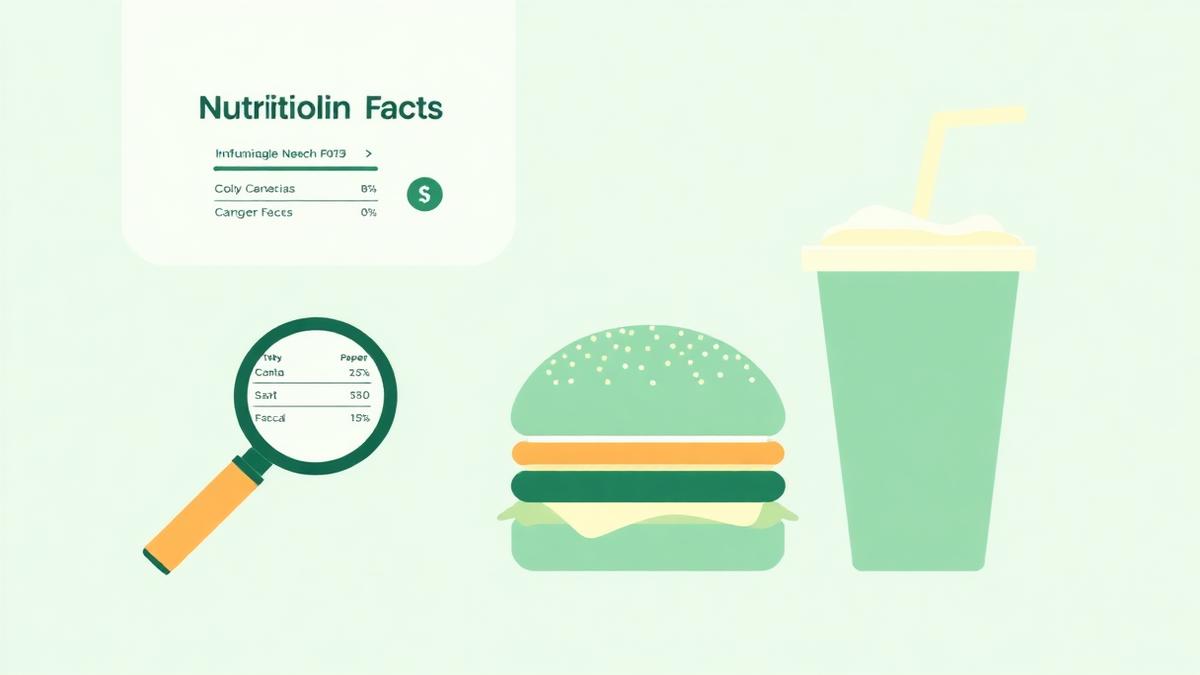
US chains have posted calorie counts on menu boards since the FDA menu-labeling rule took effect nationally in 2018, and packaged foods follow the USDA and FDA Nutrition Facts format. The numbers are there — the skill is reading them in the right order.
Start with the serving size, not the calories
A bag of Doritos is often two or three servings. A 20 oz Coca-Cola is 2.5 servings of the 8 oz reference amount. Multiply before you judge the item, or use the per-100 g figures on our food pages, which normalize everything to the same basis.
Then check protein per 100 calories
This single ratio separates food that keeps you full from food that does not. A Chick-fil-A Sandwich delivers meaningful protein for its calories; a Glazed Donut delivers almost none. When two menu items are close on calories, the higher-protein option is nearly always the better pick.
Calculate Your Calories Now
Get your BMR, TDEE and daily target in under 30 seconds — then track food and workouts against it.
Watch the add-ons
- Sauces and dressings often add 100–200 kcal per packet
- Upsizing a combo can add 300–500 kcal from fries and soda alone
- Sweetened coffee such as a Pumpkin Spice Latte can rival a dessert
- Diet sodas and unsweetened iced tea remove sugar calories entirely
Build a better order
A Burrito Bowl with double protein, beans and salsa but no queso or chips lands in a very different place from a Big Mac meal, even though both feel like a full lunch. Compare a couple of realistic orders on the food pages before you leave the office and the choice takes ten seconds at the counter.
Fast food is not off limits on a deficit. Fit one planned meal into your number, log it, and move on.
Calculate Your Calories Now
Get your BMR, TDEE and daily target in under 30 seconds — then track food and workouts against it.